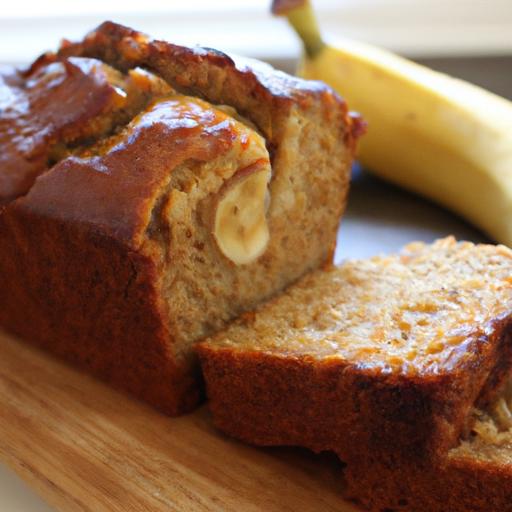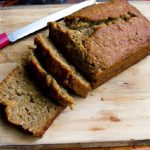

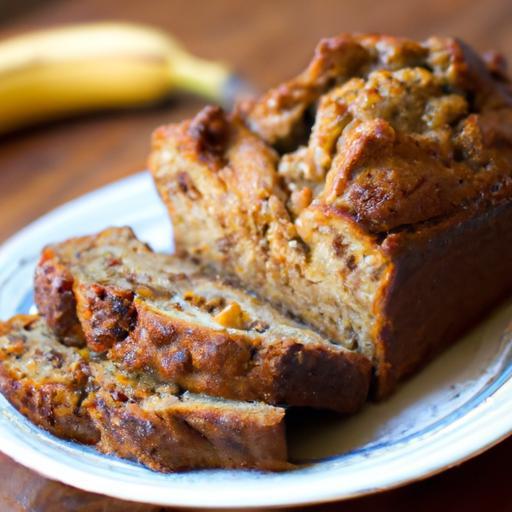
There’s something undeniably comforting about a slice of banana bread-the golden crust giving way to a tender, moist crumb that melts effortlessly on the tongue.But achieving that perfect balance of moistness and texture is no mere accident; it’s a delectable dance of science and art. Behind every irresistible loaf lies a world of chemistry, where the ripeness of bananas, the ratio of wet to dry ingredients, and even baking time come together in harmonious precision. In this article, we’ll peel back the layers of this beloved classic and explore the sweet science that transforms humble ingredients into irresistibly moist banana bread, unlocking the secrets to baking your own flawless loaf every time.
understanding Banana Ripeness and Its Impact on Moisture
When it comes to baking with bananas, the level of ripeness dramatically shapes the texture and moisture of your loaf. Overripe bananas-those boasting a nearly-black peel speckled with brown spots-are packed with natural sugars and moisture, making them the secret to a tender crumb and luscious banana flavor. Conversely, bananas that are too green or barely ripe lack sweetness and moisture, often resulting in a dense, dry bread.
Choosing bananas at the perfect ripeness unlocks a richness and moist crumb that embodies the essence of comfort in every bite. The natural sugars break down during baking, caramelizing slightly and lending not only sweetness but also a subtle toffee undertone. This dynamic moisture interaction is essential for that sought-after soft crumb versus a dry or crumbly finish.
The Role of Fat and Sugar in Creating Tender Crumbs
Fat and sugar aren’t just about flavor – they’re structural MVPs in crafting a moist, tender banana bread.Butter or oil coats flour proteins, limiting gluten formation, which helps keep the crumb soft rather of tough. Sugar acts as a moisture magnet, retaining liquid during baking and yield a moist final loaf. Together, they create a luscious balance between richness and delicate crumb texture.
Using brown sugar instead of white can elevate moisture retention further because it contains molasses, adding depth and humidity to the crumb.Choosing the right type and quantity of fat-whether creamy butter or a neutral vegetable oil-also subtly changes the feel and mouth-coating softness you crave.
Mastering Mixing Techniques to Avoid Dryness
The method you use to combine ingredients can make or break the moistness of your banana bread. Overmixing developed gluten strands leading to a chewy, dry texture. To master this, fold wet into dry ingredients gently just until combined, leaving a few streaks of flour visible if necessary.
Start by creaming the fat and sugar to create tiny air pockets that give lift, then carefully incorporate your mashed bananas and eggs, finishing with the dry ingredients.This balance preserves tender structure and moisture by suspending fats and sugars alongside liquid components evenly through the batter.
Baking temperature Tricks for Ultimate Softness and Flavor
Temperature controls the tale of moisture in banana bread. Baking at a moderate heat – typically around 350°F (175°C) – ensures the loaf cooks through evenly without drying out or browning excessively on the outside.
Using lower heats with longer times allows starches to gelatinize fully while sugars caramelize slowly for maximum flavor progress. Tent your loaf with foil midway if it starts browning too fast to keep moisture locked inside.Resting the bread briefly after baking helps redistribute steam, perfecting moistness and flavor in every slice.

Prep and Cook Time
- Readiness: 15 minutes
- Baking: 60 minutes
- Total: 75 minutes
Yield
1 standard 9×5-inch loaf, serving 8-10 slices
Difficulty Level
Easy - ideal for bakers of all levels
Ingredients
- 1 ¾ cups all-purpose flour, sifted
- 1 tsp baking soda
- ½ tsp fine sea salt
- ½ cup unsalted butter, softened
- 1 cup packed light brown sugar
- 2 large eggs, room temperature
- 1 cup mashed overripe bananas (about 3 medium bananas)
- ½ cup plain Greek yogurt or sour cream
- 1 tsp pure vanilla extract
Instructions
- Preheat your oven to 350°F (175°C) and grease or line a 9×5-inch loaf pan with parchment paper.
- Whisk the dry ingredients: In a medium bowl, combine the sifted flour, baking soda, and salt. Set aside.
- Cream butter and sugar: Using a hand or stand mixer,beat the softened butter and brown sugar until light and fluffy (about 3 minutes). This step is crucial for airy crumb.
- add the eggs: Beat in one egg at a time until fully incorporated, then stir in the vanilla extract.
- Mash the bananas carefully: In a separate bowl, mash overripe bananas until smooth but with some small chunks for texture.
- Combine wet ingredients: Mix the mashed bananas and Greek yogurt (or sour cream) into the creamed butter mixture, folding gently to combine.
- Incorporate dry mixture: add the flour mixture in two batches, folding carefully after each addition. Stop mixing as soon as you see no dry flour; don’t overmix!
- Pour batter into pan: Spread batter evenly and smooth the top with a spatula.
- Bake: Place loaf in the oven and bake for 55-65 minutes,or until a toothpick inserted in the center comes out clean. If the top browns too quickly, tent with foil after 40 minutes.
- Cool wholly: Let the bread cool in the pan for 10 minutes before transferring to a wire rack to cool fully; this sets the crumb’s moisture perfectly.
Tips for Success
- Banana choice: Use very ripe bananas-blackened skin signals ripe bananas that will naturally sweeten and moisten your bread.
- Fat alternatives: For a dairy-free option,swap butter for refined coconut oil.
- Mix-ins: fold in ½ cup chopped toasted walnuts or dark chocolate chips for extra texture and flavor.
- Storage: Wrap cooled bread tightly in plastic wrap and store at room temperature up to 3 days or refrigerate up to 5 days to maintain moisture.
- freeze: Banana bread freezes well-slice first and wrap each piece for quick, moist toasts later.
serving Suggestions
Serve slices slightly warm for the best experience, perhaps with a dab of softened butter or a drizzle of honey. For a luscious brunch, spread ricotta or mascarpone and sprinkle with a pinch of cinnamon.Garnish with thin banana slices, chopped nuts, or a light dusting of powdered sugar to enhance its inviting presentation.
| Nutrient | Per Serving |
|---|---|
| Calories | 280 kcal |
| Protein | 4 g |
| Carbohydrates | 42 g |
| fat | 10 g |
For further deep-dives into baking science, explore this comprehensive guide from King Arthur Baking.
Also, check out our Ultimate banana Recipes collection for more inspiration that highlights the magic of banana ripeness and baking techniques.
Q&A
The Sweet Science Behind Perfectly Moist Banana Bread: Q&A
Q: Why does banana bread sometimes turn out dry even when using ripe bananas?
A: Moisture in banana bread doesn’t just come from the bananas-though they are star players! Overbaking is the most common culprit behind dryness. Even with ripe bananas, if the bread is left in the oven too long, the moisture evaporates. Also, the balance of wet and dry ingredients matters; too much flour or not enough fat can dry out your loaf. Ripe bananas add both flavor and moisture, but they need the right supporting cast to shine.
Q: How do mashed bananas contribute to the texture of banana bread?
A: Mashed bananas bring natural sugars and moisture,creating tender crumb and rich flavor. Their pectin acts as a gentle binder, helping the bread maintain structure while keeping it soft. The more ripe (even spotty) the banana, the sweeter and softer the result, as sugars break down further as the fruit ripens.
Q: what role does fat play in keeping banana bread moist?
A: Fat-usually butter or oil-locks in moisture by coating flour proteins, limiting gluten development so the crumb is tender, not tough. Oil generally yields a moister bread than butter because it remains liquid at room temperature, while butter adds flavor but can sometimes dry the bread out if overused. The right amount of fat cushions each bite with richness and helps preserve that coveted moistness.
Q: Can substituting ingredients affect the moisture level?
A: Absolutely! Swapping all-purpose flour for whole wheat or oat flour introduces more fiber,which can absorb extra liquid and dry out the bread if not compensated for. Using brown sugar rather of white adds moisture as of its molasses content,deepening flavor and keeping the crumb soft. Similarly, incorporating natural yogurt or applesauce introduces moisture, sometimes allowing reductions in added fat.Q: What is the optimal baking temperature and time to ensure moist banana bread?
A: Baking low and slow is the secret. Around 325°F to 350°F (160°C to 175°C) is ideal. Higher heat can cook the outside too quickly,perhaps drying it while leaving the inside gummy. Keep a close eye during the last 10 minutes-insert a toothpick; when it comes out with just a few moist crumbs (not wet batter), your bread is perfectly baked and moist.
Q: How does sugar affect moisture retention in banana bread?
A: Sugar doesn’t just sweeten-it’s hygroscopic, meaning it attracts and holds water. This helps keep the bread tender and delays staling. Using too little can result in a drier loaf, while too much can lead to a gummy texture. Brown sugar, with its inherent moisture, enhances this effect better than plain white sugar.
Q: Why rest banana bread before slicing?
A: Fresh out of the oven, banana bread is still setting. Allowing it to cool thoroughly lets steam redistribute internally,stabilizing moisture and crumb structure. Cutting too soon can cause a gummy or crumbly texture. Patience hear is key to enjoying moist,sliceable goodness.
Q: Are overripe bananas really better for banana bread?
A: absolutely! Overripe bananas are sweeter and softer, breaking down easily into a smooth mash.Their intensified sugars caramelize slightly during baking, adding depth and moistness. They also contain more liquid, lending extra moisture to the loaf, making it tender and flavorful.
Q: Can adding ingredients like nuts or chocolate chips impact moisture?
A: Yes, add-ins like nuts absorb some moisture, potentially drying the bread slightly, but they also provide crunch and contrast.Chocolate chips melt during baking, creating little pockets of gooey richness that can enhance the perception of moisture. Balancing these additions with the right wet ingredients ensures a harmonious texture.
Q: How does the mixing method influence the final texture of banana bread?
A: Overmixing activates gluten in the flour, turning your tender loaf tough and chewy. Gently folding wet and dry ingredients until just combined helps maintain a soft crumb. Combining ingredients just enough allows the delicate structure to trap moisture effectively, resulting in that melt-in-your-mouth banana bread experience.
With these tasty tidbits of baking science, your next batch of banana bread will be moist, flavorful, and utterly irresistible-because understanding the chemistry behind the magic makes all the difference!
Insights and Conclusions
crafting the perfect slice of moist banana bread is both an art and a science-a delicate dance between ripe fruit sugars, precise ingredient ratios, and baking chemistry. Understanding the sweet science behind each step transforms a humble loaf into a symphony of textures and flavors that linger long after the last crumb is gone. So next time you reach for those overripe bananas, remember: you’re not just baking bread, you’re unlocking a appetizing experiment where science and sweetness meet in perfect harmony.