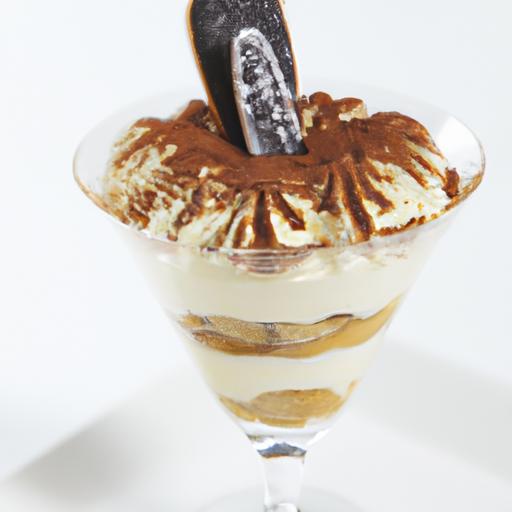

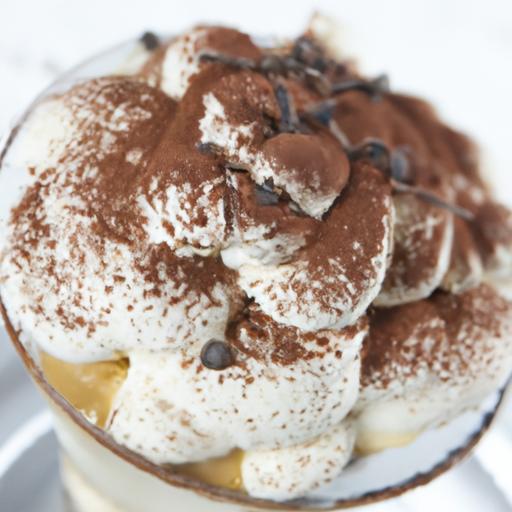
In the realm of desserts, few creations have captured hearts and palates quite like tiramisu. This luscious Italian classic, with its layers of espresso-soaked ladyfingers, velvety mascarpone cream, and a dusting of cocoa, is more than just a sweet treat-it’s a cultural emblem steeped in history and mystery. ”Tiramisu Unveiled: The Story Behind Italy’s Beloved Dessert” takes you on a journey beyond the fork, exploring the origins, legends, and evolving traditions that have shaped this iconic indulgence. Join us as we delve into the rich tapestry of flavors and tales that make tiramisu a timeless symbol of Italian culinary artistry.
The Art of Crafting the Perfect Tiramisu: Regional Variations and Insider tips
Tiramisu remains one of Italy’s most cherished desserts, a luscious blend of creamy mascarpone, rich espresso, and delicate ladyfingers that transport the senses to a cozy Italian trattoria.This timeless classic, beloved worldwide, invites both novice and seasoned bakers to dive into its story and craft an authentic rendition with confidence. Each spoonful offers more than flavor-it’s an experience that connects you to centuries of Italian culinary passion.
prep and Cook Time
- Preparation: 30 minutes
- Chilling: 6 hours (or overnight for best results)
Yield
Serves 6 generous portions
Difficulty Level
Medium – Accessible for those comfortable with basic kitchen techniques, requiring gentle folding and attention to texture.
Ingredients
- 6 large egg yolks, at room temperature
- 3/4 cup granulated sugar
- 1 cup whole milk, warmed
- 8 oz (225g) mascarpone cheese, softened
- 1 1/2 cups cold heavy cream
- 2 cups strong brewed espresso, cooled to room temperature
- 2 tbsp pure vanilla extract
- 40-45 ladyfinger biscuits (savoiardi)
- unsweetened cocoa powder, for dusting
- Dark chocolate shavings (optional garnish)
Instructions
- Prepare the zabaglione base: In a heatproof bowl, whisk together the egg yolks and granulated sugar until pale and fluffy. Set the bowl over a simmering water bath (double boiler),whisking continuously for 8-10 minutes until the mixture thickens and reaches around 160°F (71°C),ensuring safe pasteurization without scrambling. Remove from heat and allow to cool slightly.
- Integrate mascarpone: Gently fold the softened mascarpone cheese into the warm zabaglione using a rubber spatula, taking care to maintain a smooth, creamy consistency without lumps.
- Whip the heavy cream: In a separate chilled bowl, whip the cold heavy cream and vanilla extract to stiff peaks. Gradually fold the whipped cream into the mascarpone mixture in three additions, preserving airiness to keep the final texture light and silky.
- Dip the ladyfingers: Quickly dip each ladyfinger into the cooled espresso-less than 2 seconds per side-to avoid sogginess but allow them to absorb just enough coffee flavor.
- Assemble your layers: Arrange a single layer of espresso-dipped ladyfingers in the base of your serving dish (traditionally a 9×9 inch or similar). Spread half of the mascarpone cream over the ladyfingers evenly.Repeat with another layer of dipped ladyfingers and the remaining cream, smoothing the top gently.
- Chill thoroughly: Cover the tiramisu with plastic wrap and refrigerate for at least 6 hours,preferably overnight. This resting time helps the flavors meld and the dessert to set perfectly.
- Final touches: Just before serving, dust the top generously with unsweetened cocoa powder using a fine mesh sieve. Add dark chocolate shavings if desired to elevate the texture and presentation.
Chef’s Notes and Tips for Success
- Egg safety: If hesitant about raw eggs, use pasteurized or substitute with a cooked custard base to ensure safety without compromising creaminess.
- Espresso choice: Opt for a robust, freshly brewed espresso or high-quality strong coffee for that deep coffee aroma. Avoid instant coffee to keep authenticity.
- Regional variations: Northern regions such as Veneto emphasize the classic recipe, while some southern versions incorporate citrus zest or substitute marsala wine with orange liqueur alternatives. Feel free to explore and adapt based on your palate.
- Make-ahead magic: Tiramisu tastes even better the next day. Prepare it a day in advance to unlock rich, harmonious flavors.
- Ladyfinger dip speed: Avoid soaking the ladyfingers too long; the brief dip is crucial to maintain the cake-like texture rather than turning into mush.
- Dairy alternatives: For a lighter twist, try blending part yogurt with mascarpone, but traditional richness thrives in authentic mascarpone alone.
Serving Suggestions
Serve tiramisu chilled in elegant glass dishes or a large trifle bowl to showcase its velvety layers. Garnish with freshly grated dark chocolate and a sprig of fresh mint for color contrast. Pair with a fresh espresso or a smooth decaf for an elevated Italian-style café experience at home.

| Nutritional Info (per serving) | Calories | Protein | Carbs | Fat |
|---|---|---|---|---|
| Tiramisu | 430 kcal | 7 g | 38 g | 28 g |
For a deeper dive into Italian desserts and authentic recipes, explore our Complete Guide to Classic Italian Desserts. to learn about the history and cultural meaning of tiramisu, the Encyclopaedia Britannica offers an excellent overview.
Q&A
Q&A: Tiramisu Unveiled – The Story Behind Italy’s Beloved Dessert
Q: What is tiramisu, and why is it so beloved in Italy and beyond?
A: Tiramisu is a luscious layered dessert that perfectly balances bold coffee flavors with creamy mascarpone and delicate ladyfinger biscuits. Its name translates to “pick me up,” referencing the energizing coffee and cocoa it contains. Beyond its decadent taste, tiramisu embodies the Italian spirit of simple yet elegant culinary artistry, making it a cherished classic worldwide.
Q: Where did tiramisu originate, and how did it become popular?
A: While the exact origins of tiramisu are a bit mysterious, it is indeed widely believed to have been invented in the Veneto region, specifically in treviso, during the late 20th century. It quickly gained fame as a sophisticated yet accessible dessert served in trattorias and upscale restaurants alike, captivating locals and travelers with its rich texture and aromatic charm.
Q: What are the essential ingredients that give tiramisu its signature flavor?
A: The magic of tiramisu lies in its harmonious layers: espresso-soaked ladyfingers provide a pleasantly bitter base, which contrasts beautifully with the sumptuous, velvety mascarpone cream blended with eggs and sugar. A generous dusting of cocoa powder crowns the dessert, adding a bittersweet finish that completes the experience.
Q: How does the preparation technique impact the final tiramisu?
A: Craftsmanship is key. The ladyfingers must be soaked just enough to absorb the espresso without turning soggy, preserving the dessert’s light texture. The mascarpone mixture should be whipped to a smooth,airy cream that melts in your mouth. The layering process creates a striking visual, inviting indulgence even before the first bite.
Q: Are there traditional variations of tiramisu across Italy?
A: Yes! while the classic recipe remains a favorite, regional variations abound. Some recipes incorporate a touch of lemon zest or vanilla into the mascarpone,while others experiment with different shapes and presentations. However, the core elements-coffee, mascarpone, ladyfingers, and cocoa-stay consistent, honoring the dessert’s roots.
Q: Can tiramisu be enjoyed year-round, or is it associated with a particular season?
A: Tiramisu’s creamy, coffee-rich layers make it a versatile treat perfect for any season. In the warmer months, its light texture feels refreshingly indulgent, while in cooler weather, the richness of mascarpone and aromatic cocoa bring a comforting warmth. It’s equally at home on a sunny terrace or a cozy Italian kitchen table.
Q: What makes tiramisu a symbol of Italian culinary culture?
A: Tiramisu represents the Italian ethos of transforming humble ingredients into something extraordinary. Thru balance, simplicity, and passion, it captures the essence of Italy’s food heritage: rooted in tradition yet open to creativity, meant to be shared among family and friends as a true celebration of life’s sweet moments.
The Way Forward
As the final dusting of cocoa settles and the last spoonful of tiramisu lingers on the palate, we find ourselves not just savoring a dessert, but tasting history itself. From humble beginnings in the heart of Italy to its beloved status on tables worldwide, tiramisu is more than a blend of mascarpone and espresso – it is a testament to culinary creativity and cultural connection. So next time you indulge in this luscious treat, remember the stories folded within its layers, and celebrate the sweet tradition that continues to captivate generations. Buon appetito!