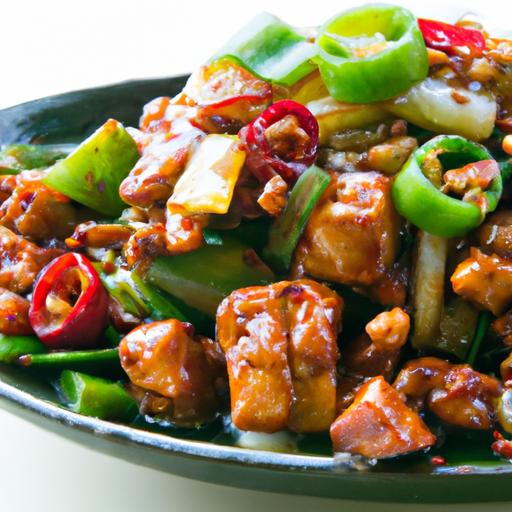

If there’s one dish that instantly transports your taste buds straight to the bustling streets of Sichuan, it’s Kung Pao Chicken-a fiery, fragrant symphony of bold flavors and textures that has captivated food lovers around the globe. But what exactly makes this iconic Chinese classic so irresistible? In this article,we’ll unlock the secrets behind an authentic Kung Pao Chicken recipe that balances spicy heat,nutty crunch,and savory depth in perfect harmony. Whether you’re a seasoned home cook or a curious foodie eager to explore new culinary adventures, get ready to discover how simple ingredients come together to create a dish that’s anything but ordinary. Let’s dive in and master the art of Kung Pao Chicken-your palate will thank you.
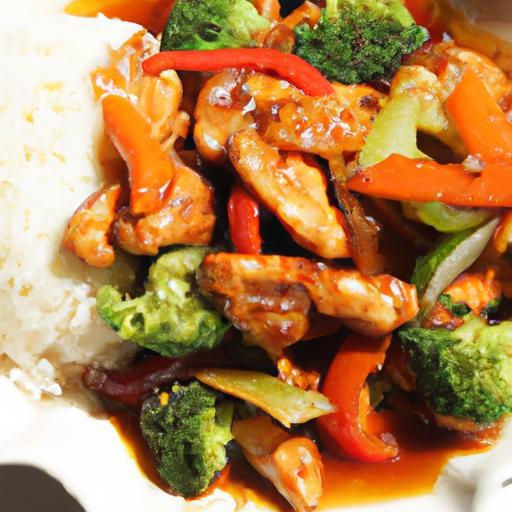
Unlock Flavor: Authentic Kung Pao Chicken Recipe to Try is a journey into one of the most beloved dishes in Sichuan cuisine, celebrated for its perfect harmony of spicy, sweet, tangy, and nutty notes. This iconic recipe traces back to the Qing Dynasty, attributed to the imperial chef Ding Baozhen, whose title of “Gongbao” inspired the name Kung Pao. From bustling street markets in Chengdu to your kitchen, this stir-fry masterpiece captivates palates wiht crunchy peanuts, succulent chicken, and a deeply layered sauce that embodies true Sichuanese culinary artistry.
Prep and Cook Time
- Readiness: 20 minutes
- Cooking: 15 minutes
- Total Time: 35 minutes
Yield
Serves 4 generously
Difficulty Level
Medium – Ideal for cooks willing to master balanced seasoning and authentic sauce-making.
Essential Ingredients for an Authentic Flavor Experience
- 1 lb boneless, skinless chicken thighs, diced into 1-inch pieces (thighs provide juiciness and tenderness)
- 2 tbsp light soy sauce
- 1 tbsp Shaoxing wine (Chinese cooking wine substitute: dry sherry if unavailable)
- 1 tbsp cornstarch
- 3 tbsp vegetable oil (peanut or canola works well)
- 3-4 dried red Sichuan chilies, halved and seeds removed for moderate heat
- 3 cloves garlic, minced
- 1-inch piece fresh ginger, finely grated
- 1/2 cup roasted unsalted peanuts
- 2 green onions, white and green parts separated and thinly sliced
- For the Classic Kung Pao Sauce:
- 2 tbsp light soy sauce
- 1 tbsp dark soy sauce (for depth and color)
- 1 tbsp Chinese black vinegar (or balsamic vinegar)
- 1 tbsp hoisin sauce (optional, adds subtle sweetness)
- 1 tbsp granulated sugar
- 1 tsp sesame oil
- 3-4 tbsp chicken broth or water
Step-by-Step Guide to Perfecting the Classic Kung Pao Sauce
- Marinate the chicken: In a bowl, combine diced chicken with light soy sauce, shaoxing wine, and cornstarch. Toss to coat and set aside for 15 minutes. This tenderizes the chicken and seals in juices.
- Prepare the sauce: In a small bowl,whisk together light soy sauce,dark soy sauce,black vinegar,hoisin sauce,sugar,sesame oil,and chicken broth. Adjust sweetness or tang by slightly increasing sugar or vinegar to preference.
- Heat the wok or skillet: Use high heat and heat oil until shimmering. Add dried chilies and stir-fry for about 30 seconds until fragrant but not burnt-this infuses the oil without bitterness.
- add aromatics: Toss in garlic, ginger, and the white parts of green onions. Sauté promptly to avoid burning, about 20 seconds.
- Cook the chicken: Stir-fry marinated chicken pieces until they turn golden brown and are cooked through, about 5-6 minutes. Keep stirring so pieces cook evenly.
- Pour in the sauce: Quickly add the prepared sauce mixture, stirring to coat all ingredients. The sauce will thicken and glaze the chicken within 2-3 minutes.
- Finish with peanuts and green onion greens: Stir roasted peanuts and sliced green onion tops into the wok. Cook for an additional 30 seconds to marry flavors and maintain crunch.
- Serve immediately: Remove from heat and plate with fragrant steamed jasmine rice or your preferred grain.
Expert tips for balancing Heat and Sweetness in Your Dish
- Control the heat level by adjusting the number and type of dried chilies.For a milder taste, remove seeds entirely or substitute with Korean chili flakes for a smoky flavor.
- Enhance sauce sweetness by using a little extra sugar or a drizzle of honey, balanced carefully against the vinegar to prevent overpowering the savory notes.
- Keep stir-frying fast and hot to avoid sogginess and maintain the iconic crisp textures.
- Use fresh ginger and garlic for sharp aromatic notes that cut through richness.
- If you want a lighter twist,substitute half the oil with broth during cooking,but never compromise on the sesame oil,as it delivers essential nutty depth.
- Make ahead tip: Prepare the sauce and marinate the chicken in advance. Combine just before cooking for a fresh, vibrant dish every time.
Serving Suggestions
Present your kung Pao Chicken garnished with a handful of extra roasted peanuts and a scatter of sliced fresh green onions for color and crunch. Pair with steamed jasmine rice or fluffy brown rice for a wholesome meal. For an added layer of freshness, serve alongside thinly sliced cucumber salad or sautéed bok choy tossed with garlic and a splash of soy sauce.

| Nutritional Information (per serving) | Amount |
|---|---|
| Calories | 420 kcal |
| Protein | 32 g |
| Carbohydrates | 14 g |
| Fat | 24 g |
For more in-depth techniques to unlock flavor in classic Sichuan dishes, visit our Sichuan Cuisine Guide. Learn about the origins of these spirited recipes and how to customize them at home.
Discover authentic culinary history and ingredient insights at Serious Eats – Kung Pao Chicken.
Q&A
Q&A: unlock Flavor with an Authentic Kung Pao Chicken Recipe
Q1: What makes Kung Pao Chicken so special and distinct from other stir-fries?
A1: Kung Pao Chicken stands out with its masterful balance of sweet, savory, spicy, and tangy flavors – all wrapped in a delightful crunch from toasted peanuts and a glossy, aromatic sauce. it’s a dish where texture and taste meet in perfect harmony,representing the bold and vibrant spirit of Sichuan cuisine.Q2: Which ingredients are essential to achieving the authentic taste of Kung Pao Chicken?
A2: the magic lies in a few key players: tender chicken chunks, dried red chili peppers, Sichuan peppercorns for that signature numbing sensation, crunchy roasted peanuts, and a savory sauce made from soy sauce, Shaoxing cooking wine or rice vinegar, sugar, and a splash of cornstarch for that irresistible sheen and thickness.
Q3: How can I get the chicken perfectly tender and juicy, not rubbery?
A3: The secret is a speedy marination of the chicken in a mixture of soy sauce, a pinch of baking soda, and cornstarch. This tenderizing step helps the meat stay moist and velvety even after high-heat stir-frying, ensuring each bite melts in your mouth.
Q4: Is the signature “numbing” flavor of Kung Pao Chicken difficult to recreate at home?
A4: Not at all! Sichuan peppercorns deliver that unique tingling buzz,which is a hallmark of authentic Kung Pao. A small amount toasted in the pan along with dried chilies works wonders – just be mindful not to overpower the dish with too much spice.
Q5: Can this dish be made ahead or stored for later?
A5: Kung Pao Chicken is best served fresh, as the crunchy peanuts and vibrant sauce shine brightest right out of the wok. Though, leftovers can be stored in an airtight container for up to two days in the fridge.To revive the texture, quickly reheat on high heat, adding a splash of water or broth to keep it saucy.
Q6: Are there vegetarian versions that still capture the heart of kung Pao flavors?
A6: Absolutely! Swap chicken for firm tofu or hearty vegetables like mushrooms and bell peppers while keeping the classic sauce and peanuts intact. The flavorful sauce and spices will carry the dish, delivering that unmistakable Kung Pao punch.
Q7: What tips can help avoid a soggy or oily outcome?
A7: High heat, quick cooking, and proper oil temperature are key. Ensure the wok is hot before adding ingredients, avoid overcrowding, and toss briskly. Also, drain excess oil if needed and stir-fry in batches for evenly cooked, crisp-tender results.
Q8: How can I customize the spice level without losing authenticity?
A8: Adjust the amount of dried red chilies to your liking-toss in more for fire, or reduce for mild warmth. The Sichuan peppercorns add a different dimension than heat alone, so keeping them in the mix preserves that authentic numbing sensation even if you ease back on the chilis.
Q9: What’s the best way to serve Kung Pao Chicken for an notable meal?
A9: Serve it piping hot over steamed jasmine or long-grain rice to soak up the fragrant sauce. Complement with simple sides like stir-fried greens or a crisp cucumber salad to balance the heat and richness.Q10: How does Kung Pao Chicken reflect the cultural heritage of Sichuan cuisine?
A10: This dish embodies Sichuan’s penchant for bold, layered flavors and playful contrasts-hot and numbing heat, sweet and savory sauce, crispy textures-all coming together in one vibrant plate. Sharing Kung Pao Chicken is like sharing a taste story deeply rooted in Chinese culinary tradition, inviting you to experience a dance of flavors and textures.
Unlocking the full flavor potential of Kung Pao Chicken is a rewarding journey into one of China’s most beloved dishes.With the right techniques and ingredients, you can bring an authentic taste of Sichuan straight to your dining table. Happy cooking!
In Retrospect
As you’ve discovered, mastering the art of Kung Pao Chicken is more than just following a recipe-it’s about unlocking a symphony of flavors that dance between spicy, sweet, and savory. Whether you’re a seasoned cook or a curious food lover, this authentic blend of bold ingredients invites you to bring a taste of Sichuan right into your kitchen. So go ahead, roll up your sleeves, and let each bite transport you to the bustling streets of Chengdu. With this recipe in hand, you’re not just making a dish-you’re crafting an experience worth savoring again and again.