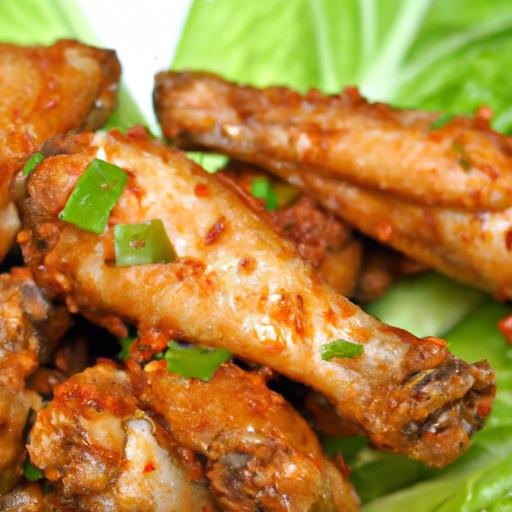

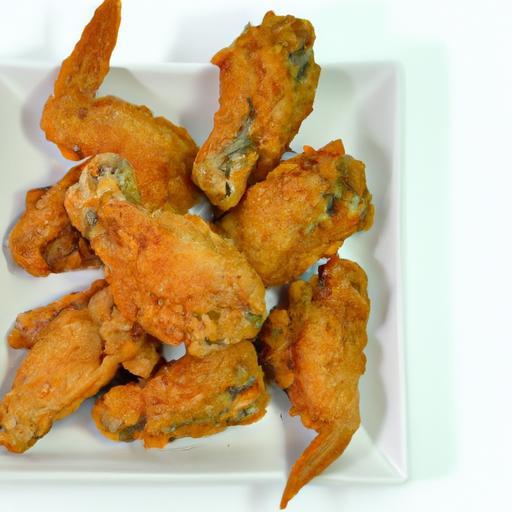
When it comes to comfort food, few snacks spark as much joy – and debate – as the humble chicken wing. Crispy, saucy, and utterly addictive, these bite-sized delights have conquered menus from backyard barbecues to upscale eateries. But beneath their flavorful exterior lies a hidden story told in numbers: the calories. What exactly are you biting into with every drumette and flat? In this article, we peel back the layers of seasoning and sauce to unveil the calorie content lurking in your favorite chicken wings, offering a mouthwatering look at the nutritional footprint of each succulent bite. Whether you’re counting macros or simply curious, join us as we crack open the calorie code behind one of America’s most beloved snacks.
Understanding How Sauces and Marinades Impact Your Wing’s Nutritional Profile
Unveiling chicken wing calories is not just about the meat itself; much of the calorie content is shaped by the style of cooking and,notably,the sauces and marinades used. Wings tossed in rich, sugary barbecue or creamy ranch dressings add layers of fat and sugar that quickly multiply calorie counts. Conversely, dry rubs using herbs and spices or light citrus marinades often keep wings leaner and vibrant in flavor.
Such as,a single deep-fried wing coated in a honey-garlic glaze can pack nearly double the calories compared to one grilled with a simple lemon-pepper rub. Understanding these differences empowers you to enjoy the iconic comfort of chicken wings with an eye on your nutritional goals.The sauces and marinades do more than flavor; they craft your wing’s complete nutritional story.
Prep and Cook Time
- Preparation: 15 minutes
- Marinating: 30 minutes (optional for enhanced flavor)
- Cooking: 25 minutes
Yield
Serves 4 hungry wing lovers
Difficulty Level
medium – Perfect for home cooks ready to level up their wing game
Ingredients
- 2 lbs chicken wings, split into drumettes and flats
- 2 tbsp olive oil (for coating)
- 1 tsp smoked paprika
- 1 tsp garlic powder
- 1 tsp onion powder
- ½ tsp chili powder (adjust to taste for heat)
- Salt and black pepper to taste
- For the citrus marinade: juice of 1 lemon, 1 tbsp honey, 1 tbsp soy sauce (gluten-free if desired)
- Optional Garnish: fresh chopped parsley, lemon wedges
Instructions
- Prepare wings: Pat the chicken wings dry with paper towels. Dry wings crisp up better during cooking, helping you reduce excess oil absorption.
- Make the marinade: in a bowl, mix lemon juice, honey, soy sauce, and half of the paprika, garlic, and onion powders. Add wings and toss well. Marinate for 30 minutes in the refrigerator for juicy, flavor-packed meat.
- Preheat the oven: set your oven to 425°F (220°C) and line a baking sheet with foil or parchment for easy cleanup. Place a rack if you want extra crispness by allowing air circulation.
- Coat wings: Remove wings from marinade and shake off excess liquid. Brush lightly with olive oil and season with remaining spices, salt, and pepper. This dry seasoning layer adds enticing smokiness.
- Bake wings: Arrange wings in a single layer on the rack or sheet. Bake for 20-25 minutes, flipping halfway through to ensure even browning. Internal temperature should reach 165°F (74°C).
- Finish and serve: Garnish instantly with fresh parsley and serve with lemon wedges to brighten every bite.
Chef’s Notes
- Healthier Cooking Methods: Baking wings with a light brush of olive oil keeps calories controlled while creating crispy skin without deep-frying.
- Marinade Variations: Swap honey with agave or a sugar-free maple syrup choice to reduce sugar while retaining sweetness.
- Make-Ahead: Wings marinate best overnight-ideal for prepping ahead of game day festivities.
- Trick for Crispiness: Sprinkle a small amount of baking powder (aluminum-free) on wings before baking to achieve extra crunch.
Serving Suggestions
Serve these vibrantly seasoned wings alongside light, refreshing sides to balance flavors and calories.Crisp celery and carrot sticks with a low-fat Greek yogurt dip or a crunchy slaw dressed in tangy vinaigrette keep the meal feeling fresh and satisfying. For a starch, choose oven-roasted sweet potatoes or a simple quinoa salad.
Garnishing with thinly sliced green onions or fresh herbs like cilantro adds brightness and elevates your presentation like a pro. A wedge of lemon or lime on the side encourages diners to add a zesty punch without extra calories.

Nutritional Information (per serving)
| Style | Calories | protein (g) | Carbs (g) | Fat (g) |
|---|---|---|---|---|
| Baked Lemon Pepper | 250 | 24 | 5 | 14 |
| Honey Garlic Glazed (Estimate) | 360 | 23 | 12 | 18 |
| Customary Deep-Fried Buffalo | 400+ | 25 | 4 | 28 |
Understanding how different cooking styles and sauces influence the caloric content lets you tailor your wing experience to your lifestyle, whether for indulgence or mindful eating. For more on balancing flavors and nutrition in comfort foods, check our Healthy Chicken Recipes.
Learn more about nutritional data on chicken wings from the Nutrition Value Database-a trusted source for accurate food metrics.
Q&A
Q&A: Unveiling Chicken Wing Calories: What’s in Every Bite?
Q1: What makes chicken wings a popular snack despite their calorie content?
A1: Chicken wings have earned their fame through a perfect balance of crispy skin, tender meat, and bold seasonings. Their finger-food appeal and customizable flavors-from tangy barbecue to spicy buffalo-make them irresistible, even when calories are on the mind. The indulgence lies in the experience: each bite offers a satisfying crunch paired with juicy goodness.
Q2: How many calories are in a typical plain chicken wing?
A2: On average, a plain, fried chicken wing (with skin) contains about 43 to 55 calories per piece, depending on size. The calorie count comes primarily from protein and fat, with the skin contributing a significant portion due to its fat content. Without breading or heavy sauces, the calorie profile remains relatively modest.
Q3: How do sauces and coatings affect the calorie count of chicken wings?
A3: Sauces can dramatically alter the calorie content.Sticky, sweet sauces often contain added sugar and oils, which can add 20 to 50 calories or more per wing. Conversely, dry rubs or light seasoning add negligible calories but pack a punch in flavor. Breaded and deep-fried wings tend to carry even higher calories due to the added batter and oil absorption.
Q4: Does the cooking method influence the calorie levels in chicken wings?
A4: Absolutely! Baking or grilling wings typically results in fewer calories than deep-frying because less oil is used. Grilling also allows fat to drip away during cooking. Oven-baked wings can be just as flavorful with the right marinade or spices, making them a great option for calorie-conscious eaters.
Q5: Are the calories in the wing’s skin significantly different from the meat alone?
A5: Yes, the skin is the fatty powerhouse of the wing. While the meat is mostly lean protein, the skin contains fats that contribute to higher calorie density. Removing the skin can cut calories significantly but also removes some of the flavor and texture prized by wing enthusiasts.
Q6: How can someone enjoy chicken wings while keeping calories in check?
A6: Strategies include opting for grilled or baked wings instead of fried, choosing dry rubs or light sauces, and controlling portion sizes. Pairing wings with fresh veggie sticks instead of heavy sides can also keep the overall meal lighter. Moderation is key, allowing you to savor every bite without overindulging.
Q7: What nutritional benefits do chicken wings offer beyond calories?
A7: Beyond calories, chicken wings provide good amounts of protein essential for muscle repair and satiety. They also contain vitamins such as B6 and niacin, critically important for metabolism, and minerals like phosphorus and selenium. when prepared wisely,wings can fit into a balanced diet as a satisfying source of nutrients.
Q8: Are frozen or pre-packaged wings different in calorie content compared to fresh ones?
A8: Pre-packaged or frozen wings frequently enough come pre-seasoned or breaded, which can increase calorie count and sodium levels. Always checking nutrition labels is advised, as some variants contain added sugars or fillers. Opting for fresh wings and seasoning them yourself can provide better control over calorie intake.
Q9: Can portion size awareness help in managing calorie consumption with chicken wings?
A9: Definitely. Because wings are small and easy to eat quickly, it’s easy to lose track of quantity and calorie intake. Setting a reasonable number of wings per sitting-such as 4 to 6 pieces-and savoring them mindfully helps prevent overeating while still enjoying the flavors you love.Q10: What’s the takeaway message about chicken wing calories?
A10: Chicken wings are a flavorful indulgence with a calorie count that varies vastly depending on preparation and accompaniments. Understanding what’s in every bite empowers you to make delicious choices that align with your nutritional goals-so you can enjoy wings without guilt, one savor-worthy piece at a time.
Final thoughts
As you savor the next succulent chicken wing, you’ll now carry a bit more than just its smoky, crispy flavor-armed with a clearer understanding of what’s hidden in every bite. From the crispy skin to the tender meat, each element plays a role in the calorie count that fuels your feast. Whether you’re indulging during game night or simply craving a flavorful snack, knowing the numbers behind the deliciousness empowers you to enjoy wings with both pleasure and mindfulness. So go ahead,take flight into your next wing adventure,and relish the balance between taste and nutrition that makes every bite truly satisfying.