
When it comes to beloved comfort foods, few can rival the crispy, flavorful allure of chicken wings. Often celebrated as the star of game days and casual gatherings, thes bite-sized delights have earned a reputation as indulgent treats-perfectly paired with a tangy sauce and a cold drink. But beyond their crispy exterior and mouthwatering appeal lies a surprising nutritional story waiting to be uncovered. In this article, we’re peeling back the layers to unveil the unexpected health facts behind chicken wings, inviting you to rethink what you know about this iconic snack. Prepare to be surprised, informed, and maybe even inspired to savor wings with newfound recognition.
Unveiling Chicken Wings: Surprising Nutrition Facts Inside reveals a appetizing balance of indulgence and nourishment often overlooked beneath their irresistibly crispy skin. Originating from Southern American kitchens where this finger food became a communal favorite, chicken wings have evolved into culinary canvases-each bite bursting with potential flavor and unexpected wellness benefits. Through smart readiness, wings transform from a simple snack to a nutrient-savvy dish that satisfies cravings without compromising on health.
Prep and Cook Time
- Preparation: 15 minutes
- Marination (optional): 30 minutes to 2 hours
- Cooking: 25 minutes
- Total Time: Approximately 40 to 70 minutes
yield
serves 4 – Ideal for sharing with friends or family as a wholesome appetizer or main dish.
Difficulty Level
easy – Perfect for home cooks looking to elevate a classic with minimal fuss.
Ingredients
- 2 lbs chicken wings, cleaned and patted dry
- 1 tbsp olive oil or avocado oil
- 1 tsp smoked paprika
- 1 tsp garlic powder
- ½ tsp onion powder
- ½ tsp ground black pepper
- 1 tsp sea salt
- 1 tbsp fresh lemon juice
- 1 tbsp chopped fresh parsley for garnish
- Optional: 1 tsp chili flakes for a spicy kick
- Dipping Sauce: Greek yogurt mixed with minced garlic and cucumber
instructions
- Preheat your oven to 425°F (220°C). Line a baking sheet with parchment paper or a wire rack to keep wings crispy.
- Prepare the marinade: In a large bowl, whisk together olive oil, smoked paprika, garlic powder, onion powder, black pepper, salt, and lemon juice.
- Toss the chicken wings in the marinade ensuring each piece is coated evenly. For best flavor, cover and refrigerate for 30 minutes, or up to 2 hours.
- Arrange the wings on the prepared baking sheet in a single layer, avoiding overcrowding for optimal crispiness.
- Bake for 20 minutes, then flip each wing and continue baking for another 5-7 minutes until wings are golden, crispy, and have an internal temperature of 165°F (74°C).
- Remove from oven and let rest for 5 minutes to lock in juices.
- garnish generously with fresh parsley and serve with a cooling Greek yogurt dip or your favorite healthy sauce.
Tips for Success
- Pat your wings dry before marinating to boost skin crispiness-moisture is the enemy of crunch.
- Use a wire rack on the baking tray to allow heat circulation and even cooking on all sides.
- Marinate longer if you have time; flavors will penetrate more deeply, making wings tastier and more nutrient-packed.
- For a lighter twist, air-fry your wings at 400°F (200°C) for 20 minutes, shaking halfway through.
- Substitute paprika with smoked chipotle powder for a smoky nuance without extra sodium.
- Make ahead: Marinate wings the night before, then bake at meal time for effortless preparation.
Serving Suggestions
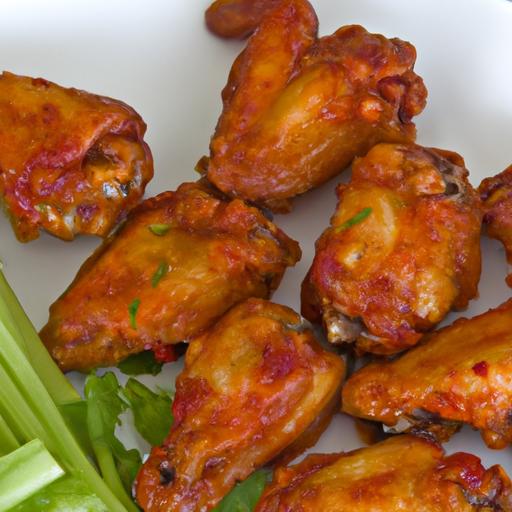
Elevate your chicken wings by plating them on a rustic wooden board with colorful sides. Crunchy celery sticks and baby carrots add refreshing texture and a nutrient boost. drizzle a light squeeze of lemon over the wings for added zing. A sprinkle of toasted sesame seeds or finely sliced scallions amps up visual appeal and flavor complexity. Serve with shining, creamy dips like tzatziki or a homemade avocado ranch to balance the smoky spices and enhance every bite.
| Nutrient | Amount per Serving (4 wings) |
|---|---|
| Calories | 210 kcal |
| Protein | 18 g |
| Carbohydrates | 1 g |
| Fat | 15 g (mostly good fats from olive oil) |

For more creative poultry dishes, check out our Lean Chicken Breast Recipes. To deepen your understanding of chicken nutrition, visit the Nutrition.org’s detailed guide.
Q&A
Q&A: unveiling Chicken Wings – Surprising Nutrition Facts Inside
Q1: Are chicken wings just empty calories, or do they offer any real nutritional value?
A1: Chicken wings frequently enough get a bad rap as greasy, calorie-packed snacks, but they actually provide more than just indulgence. Packed with protein and essential vitamins like B6 and niacin, wings can contribute to muscle repair and energy metabolism. The key is in the preparation-grilled or baked wings retain nutrients without the extra fat that frying can add.
Q2: How much protein does a typical chicken wing contain?
A2: On average, a single medium-sized chicken wing (without skin) offers about 6-7 grams of protein. This makes wings a surprisingly decent source of this vital macronutrient, especially when enjoyed in moderation as part of a balanced diet.
Q3: What about the fat content? Are all chicken wings loaded with unhealthy fats?
A3: Chicken wings do contain fat,mainly in the skin. The fat content varies depending on cooking methods-frying boosts fat levels substantially, while baking or grilling keeps fat in check. The fat in chicken wings is mostly unsaturated, which can be part of a heart-healthy diet if consumed wisely.
Q4: Are there any vitamins or minerals in chicken wings that make them stand out?
A4: Absolutely! Chicken wings bring valuable nutrients to the table, including phosphorus, which supports bone health, and zinc, important for immune function. They also contain selenium, an antioxidant that helps protect cells from damage. Don’t forget the B vitamins, which help turn food into energy.
Q5: Can chicken wings fit into a weight-loss plan?
A5: Yes, but with a few caveats. The protein in wings can definately help you feel full and preserve muscle during weight loss. Opting for skinless, grilled wings and limiting high-calorie sauces means you can enjoy wings without overdoing calories. Portion control is key-moderation transforms wings from guilty pleasure to nutritious snack.
Q6: How does the skin affect the nutritional profile of chicken wings?
A6: The skin adds flavor and a crispy texture many love, but it also packs in extra fat and calories. Removing the skin reduces fat content significantly, making the wings leaner and more diet-amiable. If you prefer the skin, consider pairing wings with fresh veggies to balance the meal.
Q7: What about sodium-do chicken wings come with a salt shock?
A7: Wings themselves have a moderate sodium level, but the real culprits are the sauces and seasonings often slathered on. Many store-bought or restaurant sauces can be high in salt, so making your own spice blends or choosing low-sodium options helps keep your sodium intake balanced.
Q8: Is dark or white meat in chicken wings more nutritious?
A8: Chicken wings are primarily dark meat, which tends to be richer in iron and zinc compared to white meat. dark meat is also higher in fat, contributing to its juicy texture and bold flavor.Both types have their benefits, but wings give you that satisfying richness with critically important nutrients packed inside.
Q9: Can chicken wings be part of a balanced diet for athletes?
A9: Definitely! thanks to their protein content and essential minerals, chicken wings can support muscle recovery and overall performance. Choosing healthier cooking methods and limiting heavy sauces means athletes can fuel up with wings while keeping nutrition on track.
Q10: What’s a creative, nutritious way to enjoy chicken wings at home?
A10: Try baking wings with a homemade spice rub featuring smoked paprika, garlic powder, and a touch of cayenne for flavor without extra calories. Pair them with a crisp side of roasted vegetables or a colorful salad to create a satisfying, nutrient-packed meal that unveils the true potential of chicken wings beyond just bar food!
To Conclude
As we peel back the crispy layers and dive into the world of chicken wings, it’s clear they’re more than just a beloved snack-they’re a surprising source of nourishment and flavor complexity. Whether you savor them spicy, smoky, or classic buffalo, understanding their nutritional profile helps you make informed choices without sacrificing the joy of indulgence. So next time you reach for a wing, remember: behind that golden bite lies a engaging blend of protein, fats, and even hidden nutrients waiting to be appreciated. Wings aren’t just game-day fuel-they’re a small, flavorful package of nutritional intrigue, ready to be enjoyed thoughtfully and with gusto.