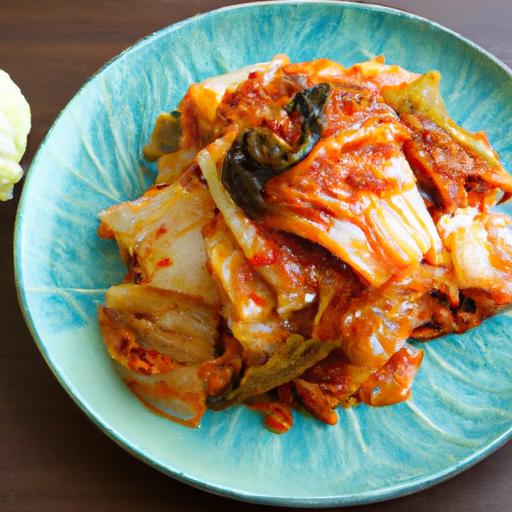

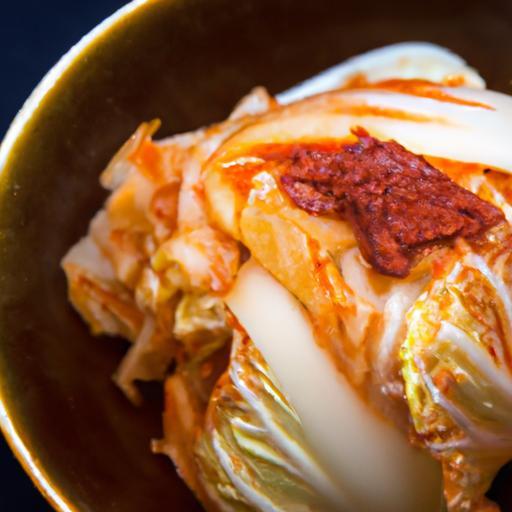
In the vibrant tapestry of Korean cuisine, kimchi stands as a living testament to tradition, flavor, and culture. More than just fermented cabbage, kimchi is an art form-an alchemy where simple ingredients transform through time and patience into a symphony of spice, tang, and texture. This beloved staple,bursting with probiotics and history,carries the essence of Korean identity in every bite. Join us as we unravel the fascinating journey behind kimchi, exploring its origins, the meticulous fermentation process, and the secrets that turn humble cabbage into a culinary masterpiece cherished worldwide.
Unveiling Kimchi: The art of Fermented Korean Cabbage invites you into a world where tradition and flavor intertwine in every spicy, tangy bite. Kimchi, often dubbed the heart and soul of Korean cuisine, carries centuries of history, culture, and culinary mastery. From humble farmhouses to bustling modern kitchens, this fermented dish symbolizes community, health, and resilience.
Prep and Cook Time
- Readiness Time: 45 minutes
- Fermentation Time: 3 to 7 days (depending on desired sourness)
Yield
Approximately 6 cups (serves 4 to 6 people)
Difficulty Level
Medium - Perfect for adventurous home cooks ready to embrace fermentation.
Essential Ingredients
- 1 medium Napa cabbage (about 2 to 3 pounds)
- 1/2 cup sea salt (for salting cabbage)
- 4 cups water
- 1 cup Korean red pepper flakes (gochugaru) – adjust for heat preference
- 1/4 cup fish sauce (or soy sauce for vegetarian version)
- 1 tablespoon grated ginger
- 4 cloves garlic, minced
- 2 teaspoons sugar
- 1 medium daikon radish, julienned
- 4 stalks green onions, chopped into 2-inch sections
Mastering the Fermentation Process for Perfect Flavor and Texture
Fermentation is the magical process that transforms ordinary cabbage into vibrant kimchi. Start by salting the cabbage thoroughly, ensuring each leaf is coated with salt to draw out moisture and achieve a crunchy texture. rinsing the cabbage after salting removes excess salt while preserving its flavor.
The chili paste, a luscious blend of gochugaru, garlic, ginger, fish sauce, and a hint of sugar, coats every vegetable piece, initiating the ferment. Pack the mixture tightly into a clean jar, leaving a bit of space for gases to escape as fermentation kicks in. Allow the kimchi to rest at room temperature for 3 to 7 days; you can taste daily to find your preferred tanginess.
Step-by-Step Instructions
- Prepare the Napa Cabbage: Rinse the cabbage and cut it lengthwise into quarters, then cut across in 2-inch pieces.
- Salt the Cabbage: Dissolve 1/2 cup sea salt in 4 cups water. Soak the cabbage in the brine for 2 hours, tossing halfway for even salting.This draws out moisture and firms the texture.
- Rinse and drain: Thoroughly rinse the cabbage under cold water 2 to 3 times to remove excess salt. Drain it for 20 minutes.
- Make the Kimchi Paste: In a bowl, combine gochugaru, fish sauce (or soy sauce), grated ginger, minced garlic, and sugar to form a thick, vibrant red paste.
- Mix Vegetables and Paste: Toss the drained cabbage with julienned daikon radish,chopped green onions,and the spicy paste. Use gloves to rub the paste evenly onto each piece, ensuring every bite is flavorful.
- Pack into Jar: Firmly pack the kimchi mix into a sterilized glass jar. Press down to expel air pockets, leaving about 1 inch of headspace.
- Ferment: Seal the jar loosely and leave it at room temperature (68-72°F) for 3 to 7 days. Open daily to release gas and taste test the evolving flavors.
- Refrigerate and Store: Once it reaches desired tartness, seal the jar tightly and refrigerate. Kimchi will continue to mature but at a slower pace.
Chef’s Notes: Tips for Success
- Adjusting Heat: For milder kimchi, reduce gochugaru or soak it briefly in water before mixing.
- Salt Substitute: Use kosher salt if sea salt is unavailable; avoid iodized salt for fermentation-sensitive recipes.
- Fermentation Spot: Find a cool, dark place for fermenting-too warm accelerates sourness, too cold slows fermentation.
- make-Ahead: Kimchi can be made a week in advance; flavors improve with each passing day.
- Flavor Variations: Experiment with adding grated apple or pear for natural sweetness, or thinly sliced carrots for texture contrast.
Serving Suggestions
Serve your kimchi chilled as a vibrant side dish alongside steamed rice, grilled tofu, or bibimbap for a burst of bold flavor. Garnish with toasted sesame seeds and a drizzle of sesame oil for an added nutty aroma. For a cozy touch, stir into a hot bowl of rice porridge or top a savory pancake to celebrate kimchi’s versatility.

| Nutrient | Per 100g |
|---|---|
| Calories | 25 kcal |
| Protein | 1.1 g |
| Carbohydrates | 4.3 g |
| Fat | 0.5 g |
| Fiber | 1.8 g |
For deeper insights into fermentation techniques and kimchi history,visit National Geographic’s feature on kimchi fermentation. Additionally, explore our fermented Korean dishes collection to dive further into this vibrant culinary tradition.
Q&A
Q&A: Unveiling Kimchi: The Art of Fermented Korean Cabbage
Q1: What exactly is kimchi, and why is it so iconic in Korean cuisine?
A1: Kimchi is a conventional Korean side dish made from fermented vegetables, most famously napa cabbage. It’s much more than just a condiment-kimchi embodies centuries of Korean culture, history, and culinary artistry. The fermentation process transforms simple ingredients into a vibrant, tangy, and complex flavor explosion, beloved for its bold taste and health benefits. it’s often called Korea’s national treasure, celebrated for its versatility and depth.
Q2: How does the fermentation process work in making kimchi?
A2: Fermentation in kimchi is a natural preservation method that relies on lactic acid bacteria. After salting the cabbage to draw out moisture, it’s mixed with a spicy paste made from ingredients like Korean chili flakes (gochugaru), garlic, ginger, and fish sauce. As the cabbage sits in a cool habitat, friendly bacteria eat the natural sugars and produce lactic acid, which boosts flavor while protecting against harmful microbes. This creates kimchi’s signature balance of sour, spicy, and savory notes.Q3: Why is napa cabbage the favorite vegetable for traditional kimchi?
A3: Napa cabbage is prized for its crisp texture and mild, slightly sweet flavor, which perfectly absorbs the seasoning paste.Its broad leaves act like natural pockets, trapping the spicy mixture and allowing fermentation to happen evenly throughout. Plus, napa cabbage maintains its crunch even after fermentation, giving kimchi that irresistible bite and freshness.
Q4: What makes kimchi such a healthy food?
A4: Kimchi is a powerhouse of probiotics due to its fermentation, which supports gut health and digestion. It’s rich in vitamins A, B, and C, as well as antioxidants from chili peppers and garlic.Low in calories but high in fiber, kimchi can boost immunity, reduce inflammation, and provide a tasty way to nourish your body.
Q5: Can kimchi be made with other vegetables besides cabbage?
A5: Absolutely! While cabbage is the classic base, kimchi can be crafted from radishes, cucumbers, green onions, and even mustard greens. Each vegetable brings its own texture and flavor profile, inspiring endless regional and seasonal variations. These diverse versions keep the art of kimchi fresh and exciting year-round.
Q6: How do you know when kimchi is “ready” to eat?
A6: Kimchi’s flavor evolves over time. Freshly made kimchi is crunchy and mildly spicy, while fermented kimchi becomes tangier and softer with age. Traditionally,many Koreans enjoy it after a few days at room temperature,but some prefer letting it ferment slowly in the fridge for weeks or months to develop deeper sour notes. Ultimately, it’s up to your palate-kimchi is perfectly edible whether young and crisp or aged and punchy.
Q7: What are some tips for making authentic kimchi at home?
A7: start with fresh, high-quality napa cabbage and use coarse sea salt for salting. Balance the spice paste with plenty of garlic and ginger,and don’t be shy with the Korean chili flakes-they provide the characteristic red glow and heat.Use clean, airtight containers to ferment, and keep kimchi in a cool spot for a controlled fermentation. Most importantly, be patient and taste frequently enough-you’re crafting a living food that changes deliciously over time!
Q8: How is kimchi traditionally enjoyed in Korean meals?
A8: Kimchi is a staple on Korean tables, typically served as a side dish (banchan) to complement rice, soups, and grilled dishes. Its bright acidity cuts through rich flavors, refreshing the palate. It is also incorporated into stews (kimchi jjigae), pancakes (kimchi jeon), and fried rice (kimchi bokkeumbap), showcasing its astounding culinary adaptability.
Q9: What cultural significance does kimchi hold beyond being a food?
A9: Kimchi represents community,heritage,and the rhythm of Korean life. The traditional kimchi-making process (kimjang) is a communal event where families and neighbors gather to prepare large batches before winter, symbolizing cooperation and sharing. UNESCO even recognized kimjang as an Intangible Cultural Heritage of Humanity, underscoring kimchi’s role as a cultural pillar as much as a delicious dish.
Q10: Can beginners experiment with kimchi flavors without losing authenticity?
A10: Yes! While kimchi follows certain traditional frameworks, it’s also a creative canvas. Beginners can gently adjust salt levels, chili heat, or add fruits like apple or pear for natural sweetness without straying from its essence. The key is preserving the balance between fermentation,spice,and freshness-this harmony is what makes kimchi truly special.
With its fiery tang and centuries-old roots, kimchi invites us to taste Korean history one fermented bite at a time-an artful alchemy of cabbage, spice, and culture.
to sum up
As the vibrant flavors of kimchi continue to captivate taste buds around the world, its story is far more than just a recipe-it is a living tradition steeped in history, culture, and craftsmanship. Unlocking the art of fermented korean cabbage offers not only a journey into the rich tapestry of Korean heritage but also a deeper gratitude for the delicate balance of nature and nurture found in every crunchy, spicy bite.Whether you’re a curious food lover or an adventurous home fermenter, kimchi invites you to taste the science, savor the tradition, and celebrate a culinary masterpiece that has stood the test of time.So next time you reach for that jar of fiery goodness, remember: you’re partaking in an ancient art that transforms humble ingredients into a vibrant, probiotic-packed wonder-one ferment at a time.