
Radiant, tangy, and irresistibly smooth, key lime pie is more than just a dessert-it’s a flavorful tale steeped in history, science, and a splash of sunshine. From the lush Florida Keys where tiny, tart key limes first flourished, to kitchens around the world where their essence is celebrated, this iconic pie has won hearts with every zesty bite. But what gives key lime pie its signature balance of creamy sweetness and vibrant acidity? And how did this humble citrus dessert become an emblem of coastal charm? Join us as we unravel the fascinating story and the scientific secrets behind key lime pie’s enduring allure-where chemistry meets tradition in a slice of pure delight.
Key lime pie is a true zesty delight that captures the essence of Florida’s sun-soaked shores with every tangy, creamy bite.This iconic dessert, rooted in early 20th-century American history, has evolved from humble beginnings into a beloved classic, adored for its balance of sharp citrus and smooth richness. The fascinating chemistry behind its filling marries simple ingredients to craft a luscious texture that melts effortlessly on the tongue, while the authenticity of each component makes all the difference in creating an unforgettable flavor experience.
The Origins of Key lime Pie and Its Evolution Through Time
The story of this zesty delight begins in the Florida Keys, where tiny, fragrant key limes grow in abundance. early settlers combined local key lime juice with sweetened condensed milk and eggs, crafting a filling that relies on a natural chemical reaction rather than heavy cooking.The binding of acids and proteins thickens the mixture without traditional custard baking, giving the pie a uniquely silky texture. Over the decades,this no-fuss pie transitioned from a regional secret to a nationwide favorite,evolving with additions like graham cracker crusts and meringue toppings that enhanced both flavor and presentation.
The Chemistry Behind the Perfectly tangy and Creamy Filling
The magic of this zesty delight lies in the interplay of acidic key lime juice and sweetened condensed milk.The key country’s native citrus contains higher acidity than common limes, which reacts with the proteins in the condensed milk and egg yolks, causing the filling to thicken naturally. This process eliminates the need for extensive baking, preserving the bright, fresh tang of the key limes while achieving a luscious, creamy texture. Understanding this culinary science ensures your pie hits the perfect balance of tartness and sweetness-essential for creating that signature mouth-puckering yet smooth experience.
Choosing Authentic Ingredients for an Unforgettable Flavor
Flavor purity is critical when crafting this zesty delight. Authentic key limes-smaller, seedier, and more aromatic than the standard Persian limes-are the heart of the dish. Wherever possible, opt for fresh key lime juice, or a high-quality bottled version labeled “pure key lime” without additives. Sweetened condensed milk adds sweetness and richness, so pick well-known trusted brands for consistency. for the crust, real graham crackers or digestive biscuits form the perfect buttery base that complements the tart filling. Avoid shortcuts like bottled limeade or imitation ingredients that dilute the pie’s signature brightness.
Baking Techniques and Serving Tips to Elevate Your Key Lime Pie Experience
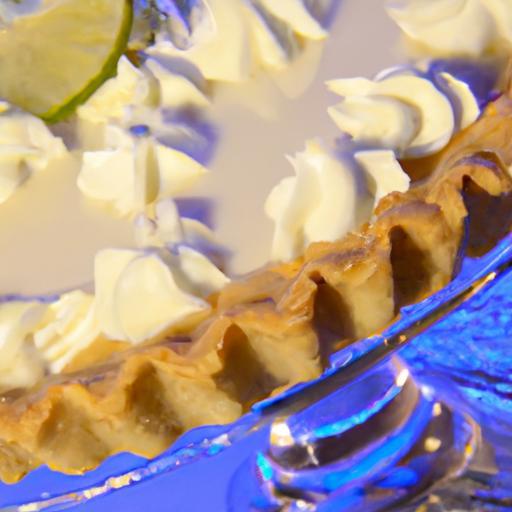
Achieving a flawless zesty delight requires attention to technique. The crust benefits from pre-baking (“blind baking”) to ensure crispness, preventing sogginess from the filling. After combining the filling ingredients, a brief bake or microwave “setting” helps stabilize the custard, but overbaking risks dryness or cracks-aim for just until set but still jiggly. Chill thoroughly to allow flavors to meld and texture to firm. For serving, garnish with freshly whipped cream, lime zest, or even edible flowers to create an inviting palette.Each slice reveals a stunning contrast: crumbly golden crust paired with a glossy, pale yellow-green filling that beckons a first forkful.
Prep and cook Time
- Preparation: 20 minutes
- Baking: 15 minutes
- Chilling: Minimum 3 hours (preferably overnight)
yield
Serves 8 generous slices
Difficulty Level
Easy to Medium – perfect for bakers of all levels looking to impress
Ingredients
- 1 ½ cups graham cracker crumbs (about 10 full sheets, finely crushed)
- 6 tablespoons unsalted butter, melted
- ¼ cup granulated sugar
- 3 large egg yolks, room temperature
- 1 can (14 oz) sweetened condensed milk
- ½ cup fresh key lime juice (approximately 20 key limes)
- 1 tablespoon grated key lime zest, for extra fragrance
- Whipped cream, for garnish (optional)
- Lime slices or zest curls, for decoration
Instructions
- Preheat the oven to 350°F (175°C). Lightly grease a 9-inch pie pan.
- Combine graham cracker crumbs, sugar, and melted butter in a medium bowl. Mix thoroughly until evenly moistened.
- Press the crumb mixture firmly into the bottom and up the sides of the pie pan, creating an even crust layer about ¼ inch thick.
- Blind bake the crust for 8-10 minutes until golden and fragrant. Remove and cool completely.
- In a large mixing bowl, whisk the egg yolks until smooth and pale. gradually add the sweetened condensed milk and stir to combine.
- Add the fresh key lime juice and zest to the mixture,stirring gently until the filling thickens slightly.
- Pour the filling into the cooled crust, smoothing the top with a spatula.
- Bake the pie for 10-15 minutes, or until the filling is just set and slightly jiggly in the center. Avoid overbaking to preserve creaminess.
- Cool to room temperature, then refrigerate for at least 3 hours, preferably overnight, to fully develop flavor and texture.
- Garnish with whipped cream and lime zest curls just before serving for a fresh pop of color and balanced richness.
Tips for Success
- Substitute fresh key limes only when necessary: If unavailable, use high-quality bottled key lime juice labeled “pure,” but avoid generic lime juices.
- Prevent cracks: Avoid overbaking; the filling should still have a slight wobble when you remove it from the oven.
- Make ahead: this pie tastes best chilled overnight, allowing flavors to deepen and the filling to fully set.
- Crust options: For a nutty twist, replace half the graham crackers with finely ground pecans or almonds.
- Egg safety: Use fresh, pasteurized eggs to confidently enjoy the silky custard texture.
Serving Suggestions
Present slices on chilled plates with a generous dollop of freshly whipped cream whipped to soft peaks. Add a thin twist of lime zest or a delicate edible flower atop for visual flair. For an extra zesty delight, serve alongside toasted coconut flakes or a scoop of vanilla bean ice cream. The combination of cool cream and crisp crust elevates every bite, making it perfect for warm-weather entertaining or an elegant finish to any meal.
| Nutritional Information (per slice) | Amount |
|---|---|
| Calories | 320 kcal |
| Protein | 5 g |
| Carbohydrates | 40 g |
| Fat | 14 g |
learn more about food safety to ensure your desserts are as safe as they are appetizing.
For creative variations on citrus desserts, check out our article Tangy Citrus Desserts Reimagined for more inspiring recipes.

Q&A
Q&A: Zesty Delights – The Science and Story of Key Lime Pie
Q1: What makes Key Lime Pie so uniquely zesty compared to other citrus desserts?
A1: key Lime Pie’s signature zing comes from the tiny Key lime, a fruit that’s smaller, more acidic, and more aromatic than the common Persian lime. Its bright, tangy juice delivers a perfectly balanced tartness that awakens your taste buds, unlike the mellow sweetness of other limes. This distinct citrus punch is what gives Key Lime Pie its unforgettable citrusy character.
Q2: How did Key Lime Pie originate and become a Floridian classic?
A2: Legend has it that Key Lime Pie was born in the early 20th century in the Florida Keys, where abundant Key limes grew wild. Early settlers and sponge fishermen crafted the pie using just a few pantry staples: lime juice, sweetened condensed milk, and egg yolks. baked or chilled, this simple concoction quickly captured hearts and palates, becoming a symbol of Floridian coastal comfort and culinary ingenuity.
Q3: Why does the filling of a traditional Key Lime Pie set without baking?
A3: It’s all in the chemistry! The acidic Key lime juice reacts with the proteins in egg yolks and the thickened condensed milk, causing them to thicken and “cook” without heat. This protein coagulation, similar to ceviche or lemon curd, creates a luscious, silky texture that holds firm when chilled, making the pie a marvel of natural culinary science.
Q4: what role does the graham cracker crust play beyond just texture?
A4: The buttery, sweet graham cracker crust provides a toasty counterpoint to the pie’s sharp tartness. its crumbly texture offers a delightful contrast to the creamy filling,while the slight caramel notes from toasted crumbs enrich the flavor profile-effectively grounding the pie’s bright zing in warm comfort.
Q5: Can you describe the best way to garnish a Key Lime Pie to highlight its flavors?
A5: The classic finishing touch is a cloud of freshly whipped cream, slightly sweetened to balance the tartness, spooned or piped atop the pie. For a vibrant flourish,a few thin lime slices or a sprinkle of finely grated lime zest can elevate both aroma and visual appeal,evoking lush tropical vibes with every bite.
Q6: How does the acidity of Key limes affect the overall texture of the pie?
A6: The sharp acidity doesn’t just flavor the pie-it also plays a crucial structural role. By tenderizing the proteins in eggs and milk, the acid ensures a firm yet velvety filling that is neither rubbery nor runny. This delicate balance of chemistry is what makes Key Lime Pie perfectly smooth and sliceable.
Q7: Are there any captivating scientific tidbits about why condensed milk is integral to Key Lime Pie?
A7: absolutely! Sweetened condensed milk is packed with concentrated sugars and milk proteins, both of which interact harmoniously with the lime’s acid. the sugars sweeten and stabilize the mix, while the proteins coagulate to thicken the filling. Plus, its thick, creamy consistency prevents the pie from curdling or separating, ensuring a consistently silky dessert.Q8: How has Key Lime Pie evolved over time while still honoring tradition?
A8: While purists swear by the classic trio of Key lime juice, condensed milk, and eggs, modern bakers experiment by adding twists like coconut crusts, meringues, or fresh fruit toppings. Yet, the essence remains: a radiant, tart filling paired with a crumbly crust. This balance of respect for heritage and playful creativity keeps Key Lime Pie both timeless and always zestfully fresh.
In Summary
As the tangy zest of key lime pie lingers on our taste buds, so too does the rich tapestry of history and science woven into every slice. From the humble origins on Florida’s Keys to the precise chemistry that balances tartness and sweetness, this dessert is more than just a treat-it’s a celebration of nature’s flavors and culinary ingenuity. Next time you savor a forkful of this iconic pie, remember the delicate dance of acids and sugars, the craftsmanship of its makers, and the vibrant story that makes key lime pie a true zestful delight.